

Bidirectional electric vehicle (EV) charging is rapidly emerging as one of the most promising advancements in the clean-energy and smart-mobility landscape. As global EV adoption accelerates and electricity grids face rising demand, researchers, policymakers, and automotive innovators are increasingly focusing on technologies that enable energy to flow not just into vehicles, but back out of them when needed. This shift marks an important evolution in how transportation and power systems intersect, laying the groundwork for more resilient, efficient, and flexible energy networks.
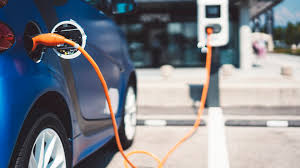
At its core, bidirectional charging allows an EV’s battery to operate as a mobile energy-storage unit. Through standards like Vehicle-to-Grid (V2G), Vehicle-to-Home (V2H), and Vehicle-to-Load (V2L), energy can be discharged from an EV to support grid stability, power homes during outages, or operate appliances and equipment in off-grid scenarios. While early demonstrations of bidirectional charging were limited to experimental research facilities and select pilot regions, the technology has now moved firmly into commercial testing and early-stage deployment.
In recent research developments, energy analysts highlight that widespread adoption of bidirectional EV charging could significantly reduce strain on overloaded grids—particularly during peak hours. By enabling EV owners to supply excess stored energy back to the grid, utilities gain access to a decentralized network of small but powerful storage points. This distributed storage model offers a potential alternative to large, fixed battery installations and can help stabilize fluctuations caused by renewable sources like wind and solar.
Automakers and charging-infrastructure companies are also contributing to the momentum. Several leading manufacturers are testing or rolling out models equipped with bidirectional capabilities, while researchers continue to refine software systems that coordinate charging decisions based on user needs, grid signals, and market prices. These innovations are helping lay the technical foundation required for safe and efficient two-way power flow—an essential component of integrating EVs into future smart grids.
Beyond grid support, household applications of bidirectional charging are gaining research interest as well. Studies show that V2H systems could offer homeowners greater energy autonomy, especially in regions prone to outages or extreme weather. By drawing from a fully charged EV battery, households can maintain essential loads for hours or even days. This dual use of EVs—transportation and backup power—adds an extra layer of value that may further incentivize adoption.
However, researchers also point to important challenges that must be addressed before the technology can scale. Concerns include battery degradation caused by frequent discharge cycles, lack of standardized communication protocols across manufacturers, and regulatory hurdles in electricity markets. Current research is actively exploring battery-optimized algorithms, advanced thermal management, and supportive market frameworks to mitigate these issues.
As the energy and mobility sectors converge, bidirectional EV charging stands out as a transformative tool with the potential to reshape how consumers, vehicles, and power grids interact. Ongoing research continues to refine the technology, and its growing presence in pilot projects signals a major step toward intelligent, flexible, and resilient energy ecosystems.