

Diesel engines have long served as the backbone of global transportation, agriculture, construction, and industrial sectors. Known for their durability, fuel efficiency, and higher torque output, diesel powertrains have historically dominated heavy-duty applications. Today, however, the diesel engine is undergoing a significant period of transformation driven by stricter emission norms, sustainability goals, and rapid advancements in alternative propulsion technologies.
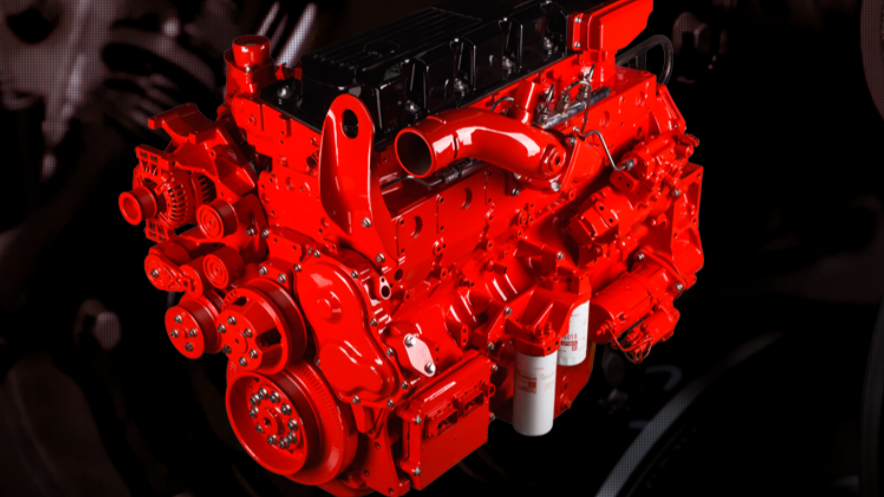
Recent research highlights a continued push toward cleaner combustion methods. Engineers and energy scientists are exploring next-generation fuel injection systems, optimized turbocharging architectures, and advanced after-treatment technologies to reduce nitrogen oxides (NOx), particulate matter, and carbon emissions. Innovations such as low-temperature combustion, variable valve timing, and advanced EGR (exhaust gas recirculation) strategies are helping achieve higher efficiency while meeting increasingly demanding regulatory limits.
A major area of research is the integration of renewable and cleaner fuels. Biodiesels, hydrotreated vegetable oil (HVO), and synthetic e-diesel are emerging as viable alternatives that can significantly cut lifecycle emissions without requiring major engine redesigns. Studies indicate that blending traditional diesel with renewable fuels may offer a transitional pathway for reducing the carbon footprint of commercial fleets especially in regions where electrification infrastructure is not yet widespread.
Digital technologies are also reshaping diesel-engine performance. Real-time engine monitoring, predictive maintenance powered by AI, and smart control systems are enabling better fuel management and optimized combustion. These digital enhancements are particularly impactful in heavy transportation and industrial machinery, where uptime and efficiency directly affect operational costs.
Despite these advancements, the diesel industry faces growing pressure from electric and hydrogen-based mobility solutions. While researchers note that diesel engines remain essential for many heavy-duty applications, the long-term outlook depends on continued innovation in emissions reduction and sustainable fuels. Hybrid systems combining diesel engines with electric drives are also gaining interest for improving efficiency in commercial vehicles and off-highway equipment.
As research continues to push the boundaries of cleaner combustion and alternative fuel integration, diesel engines are evolving rather than disappearing. Their future will likely center on high-efficiency designs, renewable fuel compatibility, and intelligent system controls positioning them as part of a more sustainable, diversified energy ecosystem rather than a standalone solution.