

Vehicle retarders are increasingly recognized as a critical safety and performance technology in modern commercial and heavy-duty transportation systems. Designed to support or replace traditional friction braking, retarders help manage vehicle speed on long descents, reduce brake wear, and improve overall operational efficiency. Recent developments in retarder engineering reflect a growing industry focus on durability, energy optimization, and safety compliance.
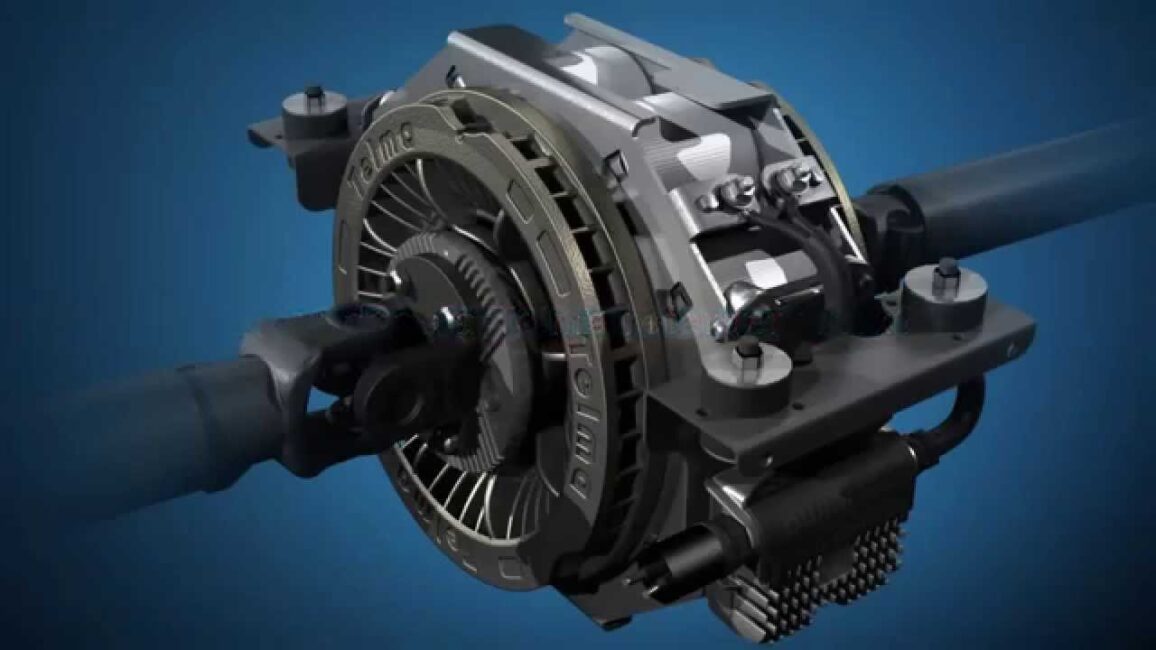
Research over the past decade has highlighted the advantages of several retarder types—hydraulic, electric, electromagnetic, and engine-based systems each offering distinct performance benefits depending on vehicle design and operating conditions. Hydraulic retarders, commonly integrated with transmissions, continue to dominate in heavy-duty trucks due to their strong low-speed capabilities and resistance to fading. Meanwhile, electromagnetic retarders are gaining traction for their quick response times and reduced maintenance requirements, particularly in buses and long-haul fleets.
Industry studies indicate that vehicle retarders can reduce friction brake usage by up to 80%, significantly lowering maintenance costs and extending brake component lifespan. This reduction also contributes to safer vehicle control in high-load or downhill environments, where brake overheating remains a persistent risk. Regulators in Europe and North America have increasingly emphasized auxiliary braking solutions in safety standards, accelerating their adoption across logistics, mining, and passenger transport fleets.
Emerging research trends focus on integrating retarders with electric and hybrid drivetrains. Regenerative braking systems, functioning as energy-recovering retarders, are reshaping the landscape by converting deceleration energy into usable battery power. Manufacturers are now exploring hybrid retarder systems that blend mechanical and regenerative functions to maximize performance in mixed driving environments.
As global freight demand increases and safety regulations tighten, the role of vehicle retarders is expected to expand. Ongoing innovations point toward more compact designs, improved thermal management, and intelligent control systems that adapt to real-time driving conditions. Collectively, these advancements position retarders as essential components in enhancing road safety, vehicle longevity, and energy efficiency across modern transportation ecosystems.