

Introduction
The Photopheresis Products Market is an important segment of the global medical devices and therapeutic systems industry, primarily serving patients with immune-mediated and hematologic disorders. Photopheresis, also known as extracorporeal photopheresis (ECP), is a specialized immunomodulatory therapy used in the treatment of conditions such as cutaneous T-cell lymphoma (CTCL), graft-versus-host disease (GvHD), organ transplant rejection, and certain autoimmune disorders. The therapy involves the collection of a patient’s blood, separation of white blood cells, exposure to a photosensitizing agent and ultraviolet A (UVA) light, and reinfusion of the treated cells back into the patient.
Photopheresis products include photopheresis systems, UVA illumination devices, disposables, and related consumables required for therapy sessions. Growing clinical evidence supporting the safety and efficacy of photopheresis, combined with expanding therapeutic applications, is driving sustained growth in the photopheresis products market worldwide.

Market Overview
The photopheresis products market has experienced steady expansion over the past decade, driven by increasing adoption of extracorporeal photopheresis in oncology, transplantation medicine, and immunology. Photopheresis is increasingly recognized for its ability to modulate immune responses without causing broad immunosuppression, making it an attractive therapeutic option for chronic and refractory conditions.
The market is characterized by a limited number of specialized manufacturers, as photopheresis systems require advanced technology, regulatory approvals, and clinical validation. Hospitals, specialty clinics, and academic medical centers are the primary users of photopheresis products, given the complexity of the procedure and the need for trained healthcare professionals.
Key Market Drivers
One of the major drivers of the photopheresis products market is the rising incidence of hematologic malignancies and immune-related disorders. Conditions such as cutaneous T-cell lymphoma and chronic graft-versus-host disease often require long-term treatment, increasing demand for effective and well-tolerated therapies like photopheresis. The growing number of stem cell and solid organ transplant procedures globally has also significantly contributed to market growth, as photopheresis is increasingly used to manage transplant rejection and GvHD.
Another key driver is the expanding clinical evidence base supporting the efficacy of photopheresis. Ongoing clinical trials and real-world studies are demonstrating favorable outcomes in both approved and off-label indications, encouraging broader adoption by clinicians. Additionally, advancements in photopheresis system design have improved treatment efficiency, safety, and patient comfort.
Market Segmentation
By Product Type
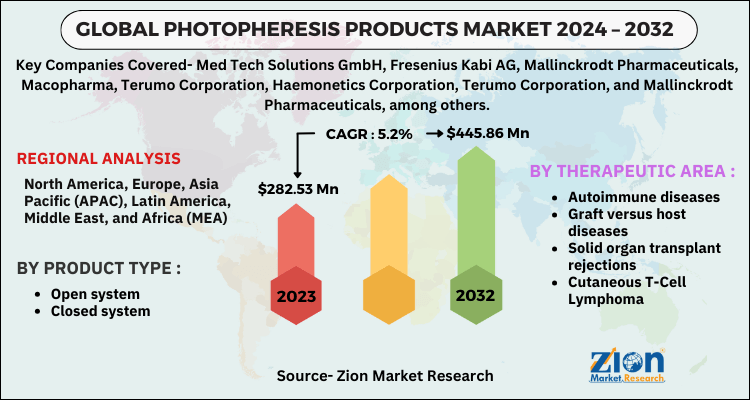
Based on product type, the photopheresis products market is segmented into photopheresis systems, disposables and consumables, and accessories. Photopheresis systems account for a significant share of the market due to their high cost and critical role in therapy delivery. However, disposables and consumables represent a recurring revenue stream and are expected to witness steady growth as procedure volumes increase.
By Application
By application, the market is segmented into oncology, transplantation, autoimmune diseases, and other indications. Oncology applications, particularly cutaneous T-cell lymphoma, hold a major share of the market due to long-standing clinical use and regulatory approvals. The transplantation segment is expected to grow at a faster pace, driven by rising transplant procedures and increasing use of photopheresis in graft-versus-host disease management.
By End User
Hospitals dominate the photopheresis products market, as most procedures are performed in specialized hospital settings. Specialty clinics and academic research centers also play an important role, particularly in clinical research and advanced therapeutic applications.
Regional Analysis
North America holds a leading position in the photopheresis products market, supported by advanced healthcare infrastructure, high awareness of extracorporeal photopheresis, and the presence of established market players. Favorable reimbursement policies and strong clinical research activity further strengthen market growth in this region.
Europe represents another significant market, driven by increasing adoption of photopheresis in transplant centers and oncology clinics. Countries such as Germany, France, and Italy are key contributors, supported by well-developed healthcare systems and supportive regulatory frameworks.
The Asia-Pacific region is expected to witness gradual but steady growth during the forecast period. Improving healthcare infrastructure, increasing transplant procedures, and rising awareness of advanced immunotherapies are contributing to market expansion in countries such as Japan, China, and India. Latin America and the Middle East & Africa are also showing emerging potential as access to specialized therapies improves.
Competitive Landscape
The photopheresis products market is relatively consolidated, with a small number of global players holding significant market share. Market participants focus on technological innovation, system upgrades, geographic expansion, and strategic collaborations with hospitals and research institutions. Continuous investment in research and development is aimed at expanding clinical indications and improving system efficiency.
Training and education programs for healthcare professionals are also an important competitive strategy, ensuring proper use of photopheresis systems and consistent clinical outcomes.
Market Challenges
Despite its clinical benefits, the photopheresis products market faces several challenges. High equipment and procedure costs limit adoption, particularly in low- and middle-income regions. The complexity of the therapy and the need for specialized infrastructure and trained personnel also restrict widespread use.
In addition, limited awareness among clinicians in certain regions and variability in reimbursement policies can hinder market growth. Addressing these challenges will be essential for expanding access to photopheresis therapy.
Future Outlook
The future of the photopheresis products market appears positive, supported by ongoing research into new clinical applications and technological advancements. Innovations aimed at reducing treatment time, improving automation, and enhancing patient comfort are expected to drive adoption. Expansion into emerging markets and broader reimbursement coverage will further support long-term growth.
Conclusion
In conclusion, the Photopheresis Products Market is poised for steady growth, driven by increasing demand for targeted immunomodulatory therapies, expanding transplant procedures, and strong clinical evidence supporting extracorporeal photopheresis. As awareness and accessibility continue to improve, photopheresis products are expected to play an increasingly important role in the management of complex immune-mediated diseases.
Read More:
https://www.zionmarketresearch.com/de/report/smart-implantable-pumps-market
https://www.zionmarketresearch.com/de/report/autotransfusion-systems-market
https://www.zionmarketresearch.com/de/report/infection-surveillance-solutions-market
https://www.zionmarketresearch.com/de/report/cannabidiol-products-market
https://www.zionmarketresearch.com/de/report/x-ray-fluorescence-market