

The global economy relies on the seamless movement of immense volumes of liquids and gases. Like the circulatory system of the industrial world, the pipeline transportation market operates largely unseen, yet it is essential for delivering the energy, water, and raw materials that power modern civilization. While often viewed through the lens of traditional oil and gas, this sector is currently navigating a complex intersection of surging demand, technological revolution, intense geopolitical pressure, and the urgent imperatives of the energy transition.
This article provides a comprehensive market research analysis of the global pipeline transportation sector, examining its key drivers, emerging trends, significant challenges, and future outlook.
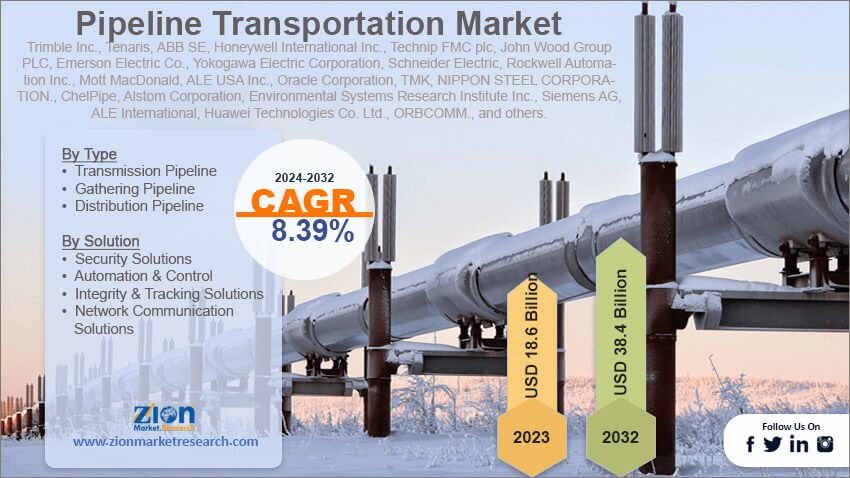
Market Overview: The Midstream Arteries
Pipeline transportation involves the long-distance movement of solid, liquid, or gaseous products through a system of pipes—a station usually involving pumps, valves, and control devices. While crude oil, natural gas, and refined petroleum products dominate the market share, pipelines are also critical for transporting water, slurry (mining), and increasingly, industrial gases like hydrogen and carbon dioxide.
Compared to alternative transport modes like rail, truck, or marine tankers, pipelines offer superior efficiency, lower long-term operating costs, and a significantly better safety record for high-volume, overland transport. They are the backbone of the “midstream” energy sector, connecting upstream production areas with downstream refineries, processing plants, and demand centers.
Key Market Drivers
Despite global efforts to decarbonize, the immediate demand for pipeline infrastructure remains robust, driven by several structural factors:
1. Rising Global Energy Consumption The primary driver remains the fundamental link between population growth, industrialization, and energy demand, particularly in non-OECD nations. Developing economies in Asia and Africa are rapidly expanding their energy infrastructure to support urbanization and manufacturing, necessitating massive investments in natural gas grids and refined product pipelines.
2. New Exploration and Production Frontiers As traditional oil and gas fields mature, exploration has shifted to more remote and technically challenging environments, such as deepwater offshore sites, Arctic regions, and shale basins. Connecting these new sources of supply to global markets requires extensive new takeaway capacity. The shale revolution in North America, for instance, created an urgent need for pipelines to move trapped products from inland basins to coastal export terminals.
3. Shift Toward Natural Gas as a “Transition Fuel“ The global push to phase out coal in power generation has led to a surge in natural gas consumption, viewed as a cleaner-burning bridge fuel. This has triggered a wave of construction for cross-border transmission lines and domestic distribution networks to deliver gas to power plants and residential areas.
Emerging Trends and Innovations
The pipeline industry is far from stagnant. It is undergoing significant modernization driven by digitalization and environmental pressures.
1. The Digital Pipeline and IIoT Operators are increasingly adopting the Industrial Internet of Things (IIoT) to enhance safety and efficiency. “Smart pipelines” utilize advanced sensors, fiber-optic sensing, and real-time data analytics to monitor flow rates, pressure, and temperature continuously. This enables predictive maintenance, allowing operators to identify potential equipment failures before they occur, reducing downtime and environmental risk.
2. Advanced Inspection Technologies (Smart Pigs) In-line inspection (ILI) tools, commonly known as “smart pigs,” have become highly sophisticated. These robotic devices travel inside the pipe, using magnetic flux leakage and ultrasonic technology to detect minute cracks, corrosion, or metal loss without interrupting the product flow.
3. The Hydrogen and CCS Frontier Perhaps the most significant future trend is the adaptation of pipelines for the green economy. There is intense R&D into repurposing existing natural gas infrastructure to transport hydrogen (blended or pure). Simultaneously, the rise of Carbon Capture and Storage (CCS) is creating a brand-new market segment for CO2 pipelines, needed to transport captured emissions from industrial sites to underground storage reservoirs.
Challenges and Restraints
Despite growth prospects, the market faces severe headwinds that threaten project viability and raise costs.
1. Environmental Opposition and Regulatory Hurdles Obtaining the “social license to operate” has become the single biggest challenge for new pipeline projects. Environmental activism, indigenous rights concerns, and complex regulatory approval processes in regions like North America and Europe have led to high-profile project cancellations (e.g., Keystone XL) and massive delays. The permitting process is increasingly lengthy, expensive, and uncertain.
2. Geopolitical Instability and Security Risks Pipelines are critical national infrastructure and often become geopolitical pawns. The recent sabotage of the Nord Stream pipelines highlighted the physical security vulnerabilities of subsea infrastructure. Furthermore, energy supplies diverted due to sanctions or conflicts force a rapid, often inefficient realignment of global trade flows, stressing existing infrastructure.
3. Aging Infrastructure in Mature Markets In the United States and Western Europe, a significant portion of the pipeline network is decades old, requiring substantial investment in maintenance, rehabilitation, and replacement to prevent leaks and ensure safety.
Regional Outlook
-
North America: The market is mature but active. The focus has shifted from massive cross-continental crude projects toward natural gas exports (LNG feed pipelines on the Gulf Coast) and expanding capacity out of the Permian Basin. Regulatory friction remains high.
-
Asia-Pacific: This region is the engine of global growth. China and India are aggressively building out national gas grids to reduce urban pollution and feed growing industrial bases. China is also heavily focused on securing overland energy routes from Russia and Central Asia to reduce reliance on seaborne imports.
-
Europe: The market is in crisis and transformation. The sudden decoupling from Russian gas has triggered an urgent need for new interconnectors within Europe and new pipelines connecting to North African suppliers, alongside a rapid acceleration of hydrogen pipeline planning.
Future Outlook
The pipeline transportation market is at a pivotal juncture. While the “death of fossil fuels” is often predicted, the reality is that oil and gas will remain vital to the global energy mix for decades. Therefore, the demand for traditional pipelines will persist, particularly in developing regions.
However, the long-term growth trajectory will increasingly depend on the sector’s ability to adapt to a low-carbon future. The successful integration of digital technologies to prove safety records, combined with the strategic pivot toward transporting hydrogen and CO2, will define the next generation of the pipeline industry. The market is evolving from purely an “oil and gas carrier” into a broader “energy transition logistics” sector.
Other Report Zion Market Research:
https://www.zionmarketresearch.com/de/report/medical-equipment-maintenance-market
https://www.zionmarketresearch.com/de/report/digital-inks-market
https://www.zionmarketresearch.com/de/report/pet-services-market
https://www.zionmarketresearch.com/de/report/service-integration-and-management-siam-services-market
https://www.zionmarketresearch.com/de/report/fine-fragrances-market