

The Mortuary Bags Market is an essential yet often overlooked segment of the healthcare and funeral services industry. Mortuary bags—also known as body bags, cadaver pouches, or human remains pouches—are critical for the safe, dignified, and hygienic handling, transportation, and storage of deceased persons. Demand for mortuary bags has remained steady historically, but recent global health crises, evolving regulatory standards, and increasing sensitivity toward safe body handling have brought renewed attention to this specialized market.
This article provides an in-depth analysis of the Mortuary Bags Market, covering market drivers, restraints, segmentation, regional trends, competitive landscape, and future growth opportunities.
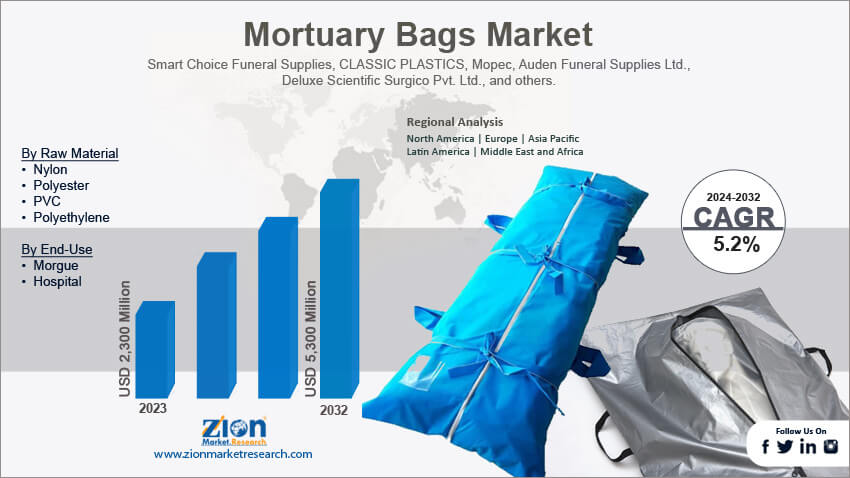
Market Overview
Mortuary bags are specially designed impermeable bags made from strong materials such as polyethylene, PVC, or biodegradable fabrics. They protect against fluid leakage, odor escape, and contamination risks. Traditionally used in hospitals, morgues, forensic labs, and funeral homes, these products also play a significant role in emergency response scenarios—including disasters, pandemics, and mass casualty events—and military operations.
The global mortuary bags market has witnessed moderate growth in recent years. The COVID-19 pandemic, in particular, underscored the critical importance of safe handling and containment of human remains, including reinforcing supply chain needs and robust preparedness planning across healthcare systems.
Market Drivers
1.Impact of Global Health Crises
The COVID-19 pandemic highlighted systemic gaps in handling increased mortality rates and forced many healthcare systems to procure sufficient mortuary supplies, including body bags, to manage higher caseloads. Similar public health events or disease outbreaks can drive rapid and significant demand spikes.
2. Stringent Regulatory Standards
National and international guidelines surrounding occupational health and safety have strengthened protocols for handling deceased bodies, particularly where infectious diseases are involved. Regulatory frameworks often mandate the use of high-quality mortuary bags to mitigate biohazard risks and ensure the safety of mortuary staff, funeral workers, and transport personnel.
3. Aging Population and Rising Mortality
With global life expectancy increasing—and concurrently, a proportional rise in age-related disease prevalence—mortality rates in several regions remain high and contribute to sustained demand for mortuary supplies. Countries with large elderly populations often require reliable supply chains and inventory management systems to ensure consistent availability.
4. Expansion of Healthcare Infrastructure
Growing investments in healthcare infrastructure, including expansion of hospitals, clinical laboratories, and forensic facilities, have increased the procurement of essential auxiliary products like mortuary bags.
Market Restraints
1. Limited Awareness in Emerging Markets
In certain low- and middle-income regions, limited investment in healthcare and insufficient regulatory enforcement can hinder adoption of standardized mortuary supplies. Traditional practices may remain entrenched, and cost constraints can reduce institutional procurement levels.
2. Cost Pressures and Budget Constraints
Mortuary bags are often treated as indirect healthcare supplies; in facilities where budgets are constrained, purchasing decisions may prioritize direct clinical care. This can limit high-volume procurement of premium or specialized body bag products.
3. Environmental Concerns
Most traditional mortuary bags are made from plastic materials that raise concerns about environmental impact, especially with increased emphasis on sustainability. This has sparked interest in biodegradable alternatives, but such options may still be in early stages of adoption due to higher costs or limited availability.
Market Segmentation
The mortuary bags market can be segmented in multiple ways:
By Product Type
-
Standard Mortuary Bags: Single-layer plastic bags used for routine body handling.
-
Heavy-Duty Bags: Reinforced bags designed for durability, heavier loads, and double zipper closures.
-
Biohazard Mortuary Bags: Specialized bags compliant with infectious disease protocols and fluid containment standards.
Among these, heavy-duty and biohazard mortuary bags are experiencing higher demand due to enhanced safety requirements and growing use in emergency response planning.
By Material Type
-
Polyethylene (PE)
-
Polyvinyl Chloride (PVC)
-
Biodegradable/Environmentally Friendly Materials
Polyethylene and PVC options dominate the market due to cost efficiency and widespread availability. Biodegradable alternatives are gaining interest but represent a smaller share due to higher costs.
By End User
-
Hospitals & Healthcare Facilities
-
Morgues & Medical Examiner Offices
-
Funeral Homes & Crematoriums
-
Emergency Response Units
-
Military & Government Agencies
Hospitals and healthcare facilities account for a large share of overall demand, particularly in regions with robust healthcare infrastructure.
By Distribution Channel
-
Direct Sales & Institutional Procurement
-
Distributors & Wholesalers
-
Online Sales (E-commerce Platforms)
Institutional procurement remains the primary channel due to bulk purchasing by healthcare systems and government agencies. Online sales are growing as facilities seek convenient and rapid fulfillment options.
Regional Outlook
North America
North America holds a prominent position in the global mortuary bags market. The region’s advanced healthcare systems, stringent safety regulations, and heightened disaster preparedness planning contribute to consistent demand. The United States, in particular, remains a significant market due to strong institutional purchasing and high healthcare expenditure.
Europe
Europe demonstrates steady growth, supported by well-regulated healthcare protocols and an aging population. Countries such as Germany, the United Kingdom, and France invest in preparedness for public health emergencies and robust mortuary management, driving stable demand.
Asia-Pacific
The Asia-Pacific region is expected to register the fastest growth over the next decade. Rapid expansion of healthcare facilities, rising public health awareness, and ongoing improvements in emergency response infrastructure are key drivers. Countries such as China and India are increasing domestic production and importation of mortuary supplies to meet institutional demands.
Latin America and Middle East & Africa
In Latin America and the Middle East & Africa, market growth is emerging but comparatively slower. Challenges include variable healthcare infrastructure investment, budget limitations, and uneven enforcement of safety standards. However, increasing awareness and strategic partnerships with global suppliers are improving market access.
Competitive Landscape
The mortuary bags market is moderately competitive with a mix of global manufacturers and regional suppliers. Companies compete on product quality, material strength, compliance with safety standards, pricing, distribution networks, and customer service.
Key players in the market include:
-
Medline Industries, LP
-
Stryker Corporation
-
Dynarex Corporation
-
Cardinal Health
-
Dukal Corporation
-
Cretan Healthcare
-
Bags Unlimited
These manufacturers invest in research and development to improve durability, fluid containment, ergonomic design, and compliance with biohazard handling criteria. Strategic partnerships with healthcare systems, government agencies, and emergency management organizations also represent key competitive strategies.
Emerging Trends
1. Adoption of Biodegradable and Eco-Friendly Bags
Environmental sustainability is becoming an important consideration across healthcare supply chains. Biodegradable mortuary bags made from eco-friendly raw materials are gaining attention—even though adoption is currently limited by price and availability.
2. Increased Preparedness Planning
Healthcare institutions, government agencies, and disaster response organizations are placing greater emphasis on preparedness. Mortuary bag stockpiling—especially biohazard-rated products—has become part of emergency planning frameworks in many regions.
3. Digital Procurement and E-commerce Expansion
The rise of digital procurement and online marketplaces has simplified ordering and inventory management for hospitals, morgues, and funeral homes. E-commerce platforms offering bulk orders and rapid delivery improve operational efficiency.
4. Customization and Enhanced Features
Manufacturers are introducing enhanced features, such as multiple handles, reinforced seals, view windows, and identification labeling options to support easier handling, tracking, and dignity in care.
Future Outlook
The mortuary bags market is poised for steady growth over the forecast period, underpinned by long-term demand from healthcare facilities, emergency response systems, and funeral services. Growth will be shaped by increasing investments in healthcare infrastructure, rising regulatory requirements, and growing awareness of safe handling practices.
Key future opportunities include:
-
Expansion of biodegradable product lines
-
Strategic collaborations with government and disaster management agencies
-
Greater penetration into emerging markets through education and compliance support
-
Innovations in materials and design to balance sustainability, safety, and cost
In conclusion, the Mortuary Bags Market represents a critical yet stable segment within healthcare and funeral services. With heightened global focus on preparedness, safety, and dignity in handling human remains, demand for high-quality mortuary bags is expected to remain resilient—with promising opportunities for manufacturers committed to innovation and sustainability.
Other Report Zion Market Research:
https://www.zionmarketresearch.com/de/report/expanded-polystyrene-market
https://www.zionmarketresearch.com/de/report/precipitated-silica-market
https://www.zionmarketresearch.com/de/report/capsule-hotel-market
https://www.zionmarketresearch.com/de/report/cake-mixes-market
https://www.zionmarketresearch.com/de/report/fortified-edible-oils-market