

The Tooth Regeneration Market represents a transformative frontier in dental care, driven by advances in regenerative medicine, stem cell research, tissue engineering, and biomaterials. Unlike traditional restorative dentistry—which relies on fillings, crowns, bridges, and implants—tooth regeneration focuses on biologically restoring damaged or lost tooth structures, including enamel, dentin, pulp, and even whole teeth. As dental diseases remain highly prevalent worldwide and patients increasingly seek minimally invasive, long-lasting solutions, the tooth regeneration market is gaining significant attention from researchers, clinicians, and investors.
This market research article provides an in-depth analysis of the tooth regeneration market, covering market overview, key drivers, restraints, segmentation, regional outlook, competitive landscape, emerging trends, and future growth prospects.
Market Overview
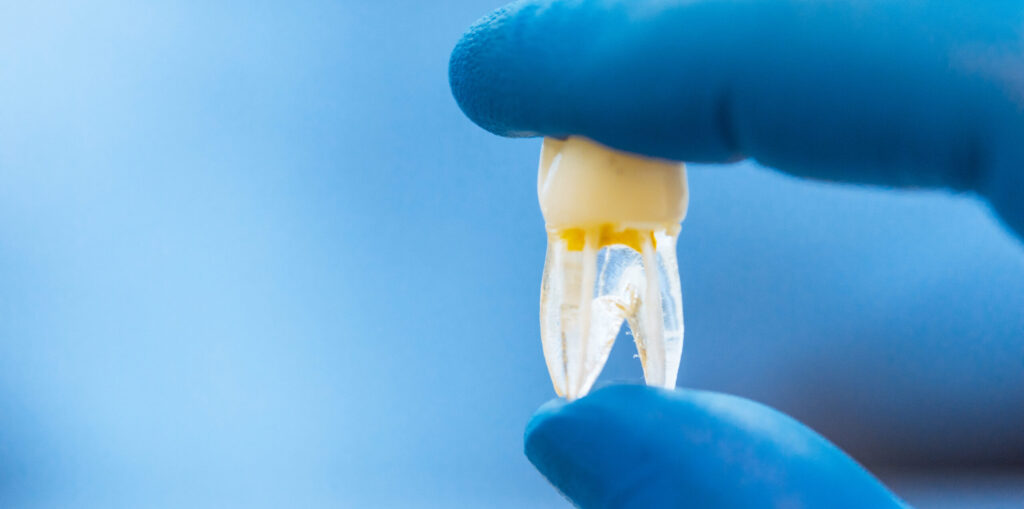
Tooth regeneration involves the use of biological approaches to stimulate the natural regrowth of tooth tissues. These approaches include stem cell therapy, growth factors, scaffold-based tissue engineering, gene therapy, and bioactive materials. Current research focuses on regenerating dental pulp, dentin, periodontal tissues, and enamel, with long-term goals aimed at complete tooth regeneration.
The global tooth regeneration market is still in an early to developmental stage compared to conventional dental markets. However, rapid progress in regenerative dentistry and increasing investment in biomedical research are accelerating commercialization efforts. The market is expected to expand steadily as technologies move from experimental and clinical trial phases toward wider clinical adoption.
Market Drivers
Rising Prevalence of Dental Disorders
Dental caries, periodontal disease, tooth loss, and pulp infections are among the most common health issues globally. Poor oral hygiene, aging populations, high sugar consumption, and limited access to preventive dental care contribute to the growing burden of dental diseases. This creates strong demand for advanced treatments that restore tooth structure more naturally and effectively.
Growing Demand for Minimally Invasive Dental Treatments
Patients increasingly prefer minimally invasive dental procedures that preserve natural tooth structure and reduce long-term complications. Tooth regeneration techniques offer the potential to repair damaged teeth biologically, reducing reliance on artificial restorations such as implants and crowns.
Advancements in Regenerative Medicine and Stem Cell Research
Significant progress in stem cell biology, biomaterials, and tissue engineering is a major driver of the tooth regeneration market. Dental stem cells derived from pulp, periodontal ligament, and apical papilla have shown promising regenerative potential, encouraging further research and development.
Increasing Investment in Dental Research and Innovation
Rising funding from governments, academic institutions, and private investors is supporting innovation in regenerative dentistry. Collaborations between universities, biotech companies, and dental device manufacturers are accelerating the development of tooth regeneration technologies.
Market Restraints
High Research and Development Costs
Tooth regeneration technologies require extensive research, preclinical studies, and clinical trials, resulting in high development costs. These costs can slow commercialization and limit market entry for smaller companies.
Regulatory and Ethical Challenges
Regenerative dental treatments, especially those involving stem cells and gene therapy, face strict regulatory scrutiny. Obtaining regulatory approvals can be time-consuming and complex, delaying market adoption.
Limited Clinical Availability
Most tooth regeneration therapies are still in experimental or early clinical stages. Limited availability in dental clinics and lack of standardized treatment protocols currently restrict widespread adoption.
High Treatment Costs
Once commercialized, regenerative dental procedures may be expensive, limiting access for patients without insurance coverage or sufficient disposable income.
Market Segmentation
By Technology
-
Stem Cell-Based Regeneration
-
Growth Factors and Biomolecules
-
Gene Therapy
-
Biomaterial-Based Regeneration
Stem cell-based regeneration holds the largest potential due to its ability to regenerate multiple tooth tissues and support long-term biological repair.
By Application
-
Enamel Regeneration
-
Dentin Regeneration
-
Dental Pulp Regeneration
-
Periodontal Tissue Regeneration
-
Whole Tooth Regeneration
Dental pulp and periodontal regeneration are the most advanced applications, with several therapies already in clinical research stages.
By End User
-
Dental Clinics
-
Hospitals
-
Academic and Research Institutes
-
Specialty Dental Centers
Dental clinics and specialty centers are expected to be key end users as regenerative therapies transition into clinical practice.
Regional Outlook
North America
North America leads the tooth regeneration market due to strong research infrastructure, high healthcare spending, and early adoption of advanced dental technologies. The United States, in particular, benefits from robust funding for regenerative medicine and a large base of dental research institutions.
Europe
Europe represents a significant market with strong academic research, supportive regulatory frameworks for biomedical innovation, and increasing collaboration between universities and biotech companies. Countries such as Germany, the United Kingdom, and France are actively involved in regenerative dentistry research.
Asia-Pacific
Asia-Pacific is expected to be the fastest-growing region over the forecast period. Rising dental disease prevalence, increasing healthcare investments, and strong research initiatives in countries such as Japan, China, and South Korea are driving regional growth. Japan, in particular, has shown notable progress in tooth regeneration research.
Latin America
Latin America shows emerging potential, supported by growing awareness of advanced dental treatments and improving healthcare infrastructure. However, limited access and high costs may restrain short-term growth.
Middle East & Africa
The Middle East & Africa region is at an early stage of adoption. Growth is expected to be gradual, driven by improving dental care services and increasing interest in advanced medical technologies.
Competitive Landscape
The tooth regeneration market is highly research-driven and currently includes a mix of biotechnology companies, dental material manufacturers, and academic spin-offs. Competition is based on technological innovation, clinical trial progress, intellectual property, and strategic partnerships.
Key Players and Contributors Include:
-
Biotechnology and regenerative medicine startups
-
Dental biomaterials manufacturers
-
Academic research institutions
-
University-affiliated spin-off companies
Major dental companies are increasingly investing in regenerative technologies through partnerships, acquisitions, and internal R&D programs.
Emerging Trends
Shift from Restorative to Regenerative Dentistry
Dentistry is gradually moving from mechanical repair toward biological regeneration. This paradigm shift is expected to redefine dental treatment standards over the long term.
Personalized Regenerative Therapies
Advances in precision medicine are enabling personalized regenerative dental treatments based on patient-specific biological factors, improving treatment outcomes.
Integration of 3D Printing and Biomaterials
3D printing of scaffolds and biomaterials tailored to individual tooth structures is gaining traction, supporting more precise and effective regeneration.
Increased Clinical Trials and Translational Research
Growing numbers of clinical trials are accelerating the transition of tooth regeneration technologies from laboratories to dental clinics.
Future Outlook
The Tooth Regeneration Market is expected to witness significant growth over the coming years as regenerative technologies mature and gain regulatory approval. While widespread clinical adoption may take time, early successes in pulp and periodontal regeneration indicate strong long-term potential.
Key growth opportunities include:
-
Commercialization of stem cell-based dental therapies
-
Expansion of clinical trials and regulatory approvals
-
Increasing patient demand for natural tooth restoration
-
Strategic collaborations between dental companies and research institutions
Conclusion
The Tooth Regeneration Market holds the promise of revolutionizing dental care by enabling natural, biological restoration of damaged or lost teeth. Although the market is still in its developmental phase, rapid advancements in regenerative medicine, increasing research investment, and growing demand for minimally invasive treatments are driving strong momentum. As technologies progress toward clinical reality, tooth regeneration is poised to become a cornerstone of next-generation dentistry, offering long-term benefits for patients and significant opportunities for industry stakeholders worldwide.
Other Report Zion Market Research:
https://www.zionmarketresearch.com/de/report/online-on-demand-laundry-service-market
https://www.zionmarketresearch.com/de/report/hypercharger-market
https://www.zionmarketresearch.com/de/report/4k-set-top-box-market
https://www.zionmarketresearch.com/de/report/frozen-seafood-market
https://www.zionmarketresearch.com/de/report/plastic-pigments-market